How often?

grubleThe number of plant dyeing posts in my draft list is exploding at the moment, so I’ve run into a “problem” with frequency.

Even if I do 3 posts a week, I’m still 2 weeks ahead and that leaves no slots open for other stuff I’d like to talk about. I know that many people do a post a day, but do all the people read all the posts?

I also want to keep my current library structure of one plant:one post to keep it all easier to look up later, for myself as well. So making one huge post a week with 3-5 plants won’t work either. And what about the gardening, that’s right now as well! (of course there is always the option to not actually blog everything you do)

For myself, there is no problem in seasonal blogging, changing the main subject matter in cycles. But I realize that some people only come here for the spinning or the dyeing and they’ll most likely go away if I only write about philosophical matters or painting for 2 months. That would be sad. I do want to keep all of you here, a blog without interaction is useless.

That means I want your input, I really do. Seasonal subjects OR seasonal post explosions with intermittent dead zones? I expect at least 50 different replies. pift

Incidentally this post was written with my left hand, sitting sideways to the keyboard, because Arthur is having his midday nap on me.

And yes, I do have a teeny post for tomorrow with no plants in it whatsoever.


On a different note, can somebody enlighten me what the current trend of photographing your own feet is about? Often with flowers, in focus and out of. Because I just don’t get it. Mind you, I don’t really have a lot of cute shoes, so maybe that’s why. I do have red gum boots. Perhaps I should do a theme involving those? Or would that just be kinky….

sommer2

Hvor ofte skal man blogge?danish

-  svaret er naturligvis, så ofte man lyster, men:

Plantefarvningssæsonen er på sit højeste, og dermed bliver kladdelisten over blogindlæg meget lang. Selv hvis jeg kun skriver om det ene emne er jeg to uger forud, og så er der lissom slet ikke plads til at skrive om alt muligt andet! (kæmpe katastrofe, ja?)

Jeg ved godt at mange skriver hver dag, men bliver det også læst? Blog uden kommunikation er jo kedeligt tidspilde.

Mange kommer her kun for plantefarvning eller spinding eller måske et tredje emne, og jeg tænker at de måske finder andre græsgange mens jeg knævrer om de emner de ikke gider. Så jeg prøver at blande bare en lille smule, for at få nogen samtaler i gang og holde dem.

Selv har jeg ikke problemer med sæsonprægede emner, men hvis alle garnfolkene forsvinder når jeg så skriver om maleri eller hverdagens tanker om min nye cykel, så er det jo lidt trist. Samtidig ønsker jeg at holde planen med 1 plante = 1 indlæg, så der bliver en nem struktur at finde rundt i for plantefarvere og mig selv.

SÃ¥ nu vil jeg have input – her har danskerne chancen for at sige noget for en gangs skyld og fÃ¥ noget indflydelse. Skal det være periodevis masseblogning hvor det hele bliver skudt af pÃ¥ en gang med efterfølgende dødvande, eller emner der skifter med Ã¥rstiden? Gisp, og hvad med haveindlæg, dem er jeg knap nok begyndt pÃ¥, men de ligger jo ogsÃ¥ lige NU.

Jeg kunne ogsÃ¥ lave 3 blogge, men sÃ¥ ender de pludselig med at ligge halvdøde og glemte hen hele tiden. Hesteblog, fotoblog, dansk blog, haveblog, tanker og teser…. Jeg er ikke rigtig “jeg har lige lavet mig en avocadomad med purløg og tomat som jeg vil nyde i min skyggefulde pavillon”-typen, sÃ¥ det behøver ikke ligefrem sin egen blog.

SÃ¥ hvad vil I ha’?! Dem der siger noget vinder. (mÃ¥ske) Jeg har en mistanke om at danske bloggere kun kan finde ud af af bruge Blogspot, men I mÃ¥ rigtig gerne fortælle mig, at jeg tager helt fejl. pardon

Og nu vil jeg så forsøge at spise den avocadomad og huske servietten til når det hele falder fra hinanden. Avocado på rugbrød indtages nemmest som guacamole, men det havde mit blodsukker ikke lige tid til at vente på. Og hjemmelavet hyldedrik og sol, så bliver det ikke mere idyllisk.
Herbal dyeing

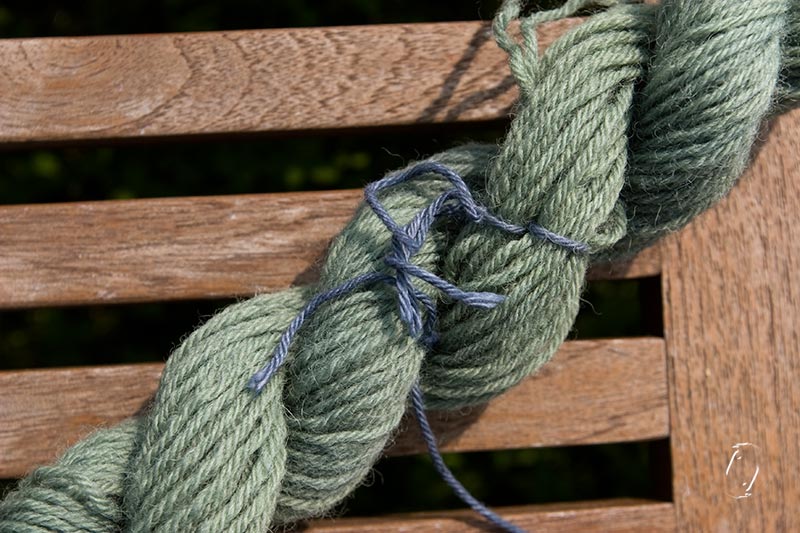
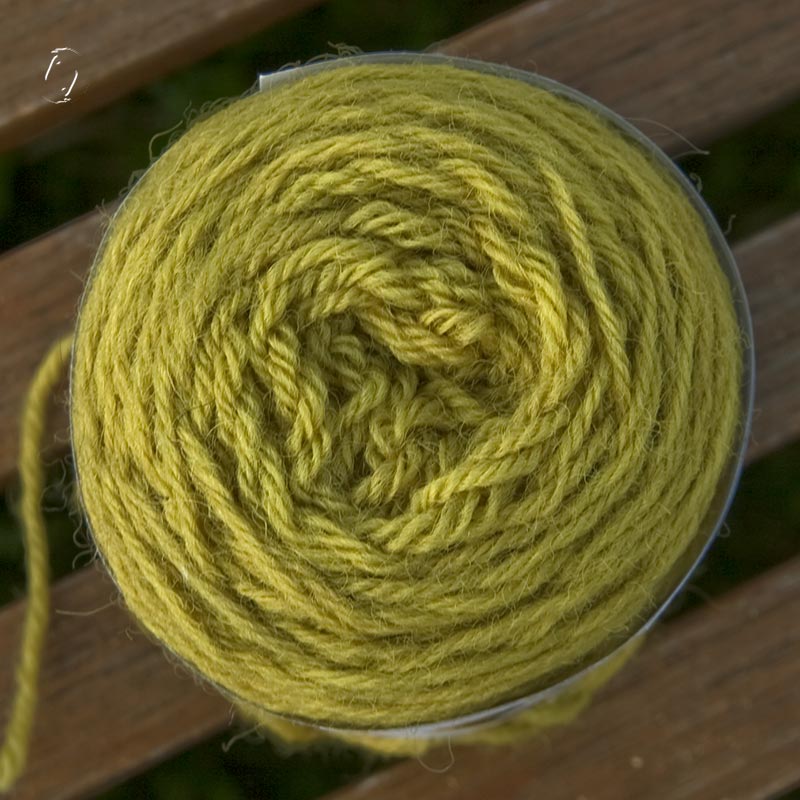
“Red” sage 3:1 in rainwater. Left it rather long in the dyebath because nothing much seemed to be happening, came out a nice fresh green eventually, which has now been sent to solar testing.salvie

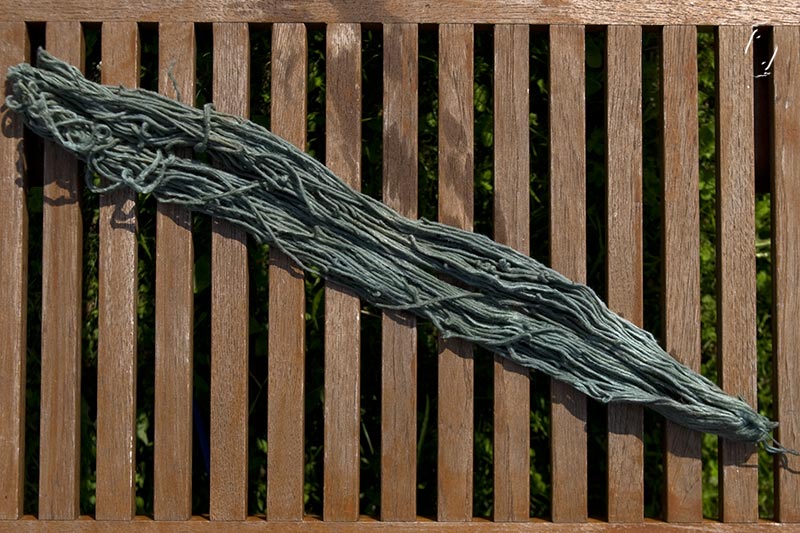
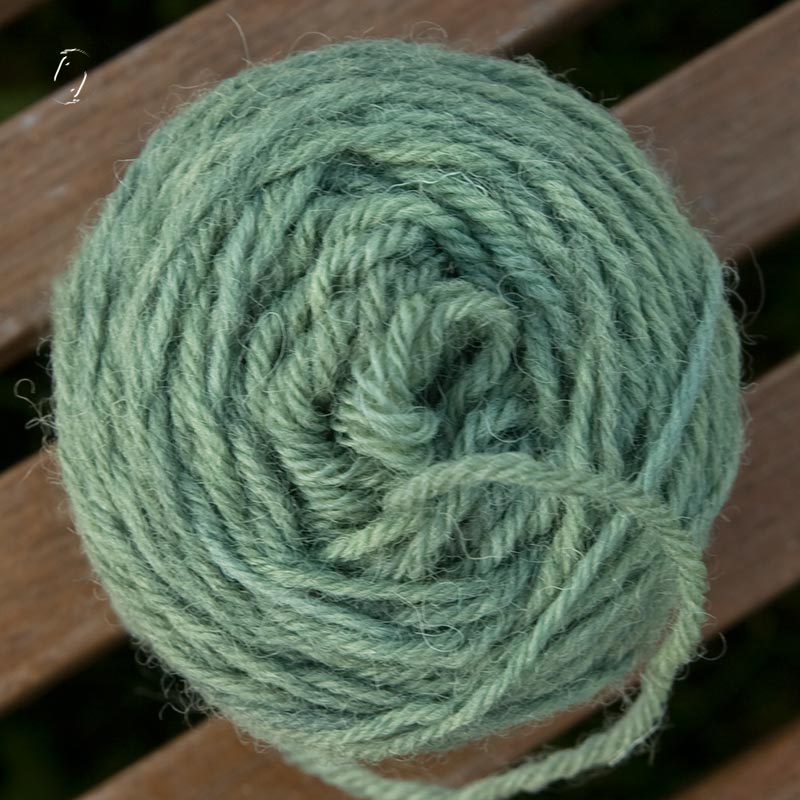
Purple basil 2:1, hard water. Plants boiled, yarn then solar dyed for 2 days. Dyebath blue, no pH alteration on my part. Rita Buchanan says it’s the same colour molecule as in Hollyhock, so it should be able to give blue and purple at other pH, I suspect red cabbage and black currant are in the same group, as they respond with the same colour scale. Hard to get onto the yarn and very fugitive. Also sent to solar testing in the bedroom window – I don’t have high hopes, but I’m wishing, because it’s such a nice green!basilikum2

When the purple basil grows back I’ll test it with tin mordant, I got a good purple with black currants.

It’s interesting that the unmordanted cotton ties turned blue, so I popped a failed cotton skein with 4 other layers on it into the exhaust. It would be interesting to test on silk as well.

basilikum1

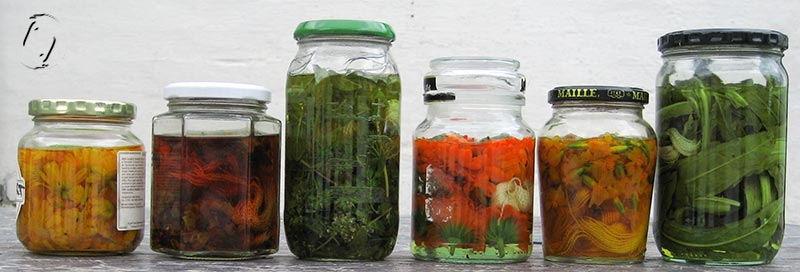
I’ve also prepared some jars for solar dyeing:

solar7

Dyer’s chamomile, coreopsis, oregano, marigold,  tagetes, weld leaves.

Urtefarvningdanish

Ikke at jeg tror farverne er særligt lysægte, men det skulle lige prøves, farvning med rød basilikum og salvie. (jeg har også sået bronzefennikel, men de skal lige blive lidt større)

Salviegarnet skulle ligge ret lang tid før det tog farve, det samme gælder basilikum, som jeg valgte at solfarve i drivhuset et par dage. Farvebadet og bomuldssnorene blev blå, men uldgarnet blev grønt. Det skulle være samme farvemolekyle som stokroser, så det er nok ret pH følsomt, hvis man vil skrue lidt på farven.

Jeg har også gang i et par glas i drivhuset, hvor de bare står og gasser i solen. Fra venstre Farvegåseurt, Skønhedsøje, oregano, morgenfrue, tagetes og vau.

basilikum4
cotton

Tagetes 2

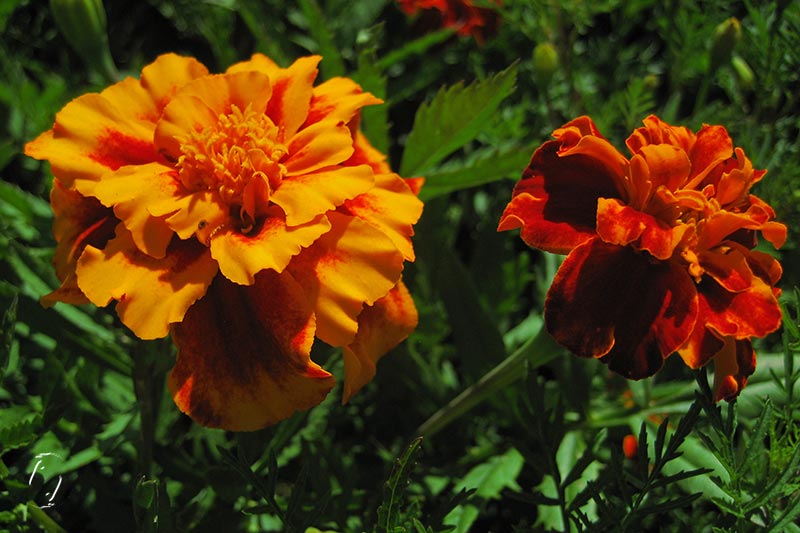
Testing the Tagetes patula “French Marigold” in the same way as the first batch.

tagetes5

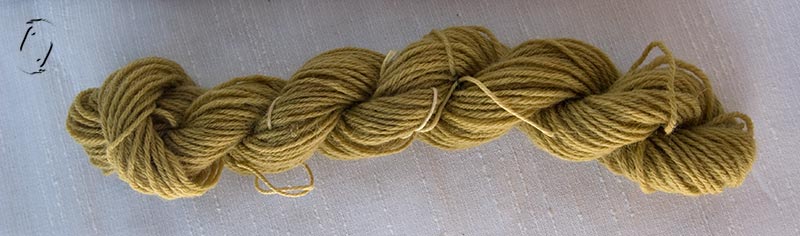
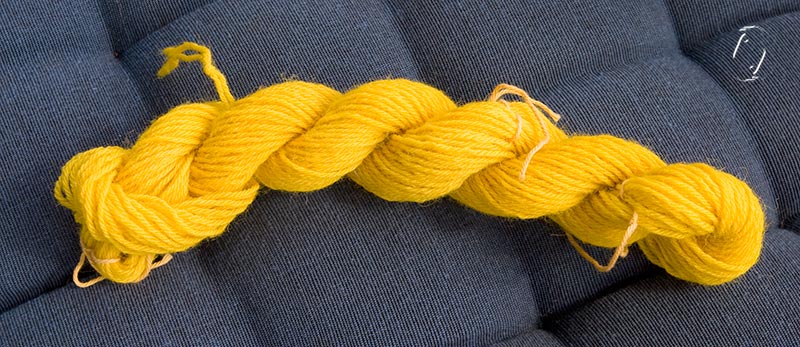
The dyebath was quite brown compared to the other tagetes, but in the end this skein also came out a strong yellow. They’re not completely the same hue, so this year I’ll probably continue testing them separately.

tagetes4

Two years ago I also dyed with the same flower type and got 3 greens. I suspect that since one skein was copper mordanted, it simply poluted the dyebath, and not because the flowers or my method that year were any different.

tagetes6
(looking rather metallic in the sun – they’re not really)

This is the reason I prefer modifying with iron and copper rather than mordant, even if I rinse the skeins well. But at least we know this dye can be modified, so I’ll be testing that as well. They may also become one of my choices for testing the rhubarb mordant vs. unmordant and alum in terms of colour and lightfastness.

Tagetes 1

Tagetes 3

på dansk

Samme test pÃ¥ denne tagetes som pÃ¥ den foregÃ¥ende, ogsÃ¥ med flot resultat. De tre grønne er fra forrige Ã¥r, hvor det ene var kobberbejset, sÃ¥ jeg mistænker at det har “forurenet” hele farvebadet. Men det kan jo ogsÃ¥ være interessant. Jeg foretrækker dog at tilføje jern og kobber efter farvning, af samme Ã¥rsag.

Horsetail – Agerpadderok

equisetum / padderokke
equisetum arvense

2011:

Equisetum / Padderokke

2012:

svaleurtequisetum

2013:

equisetum2013

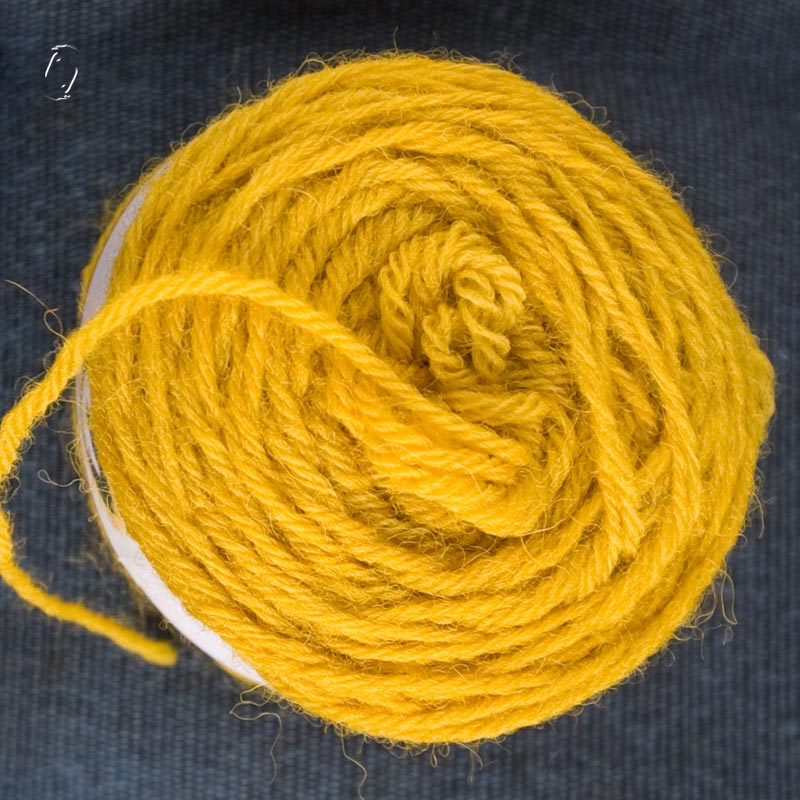
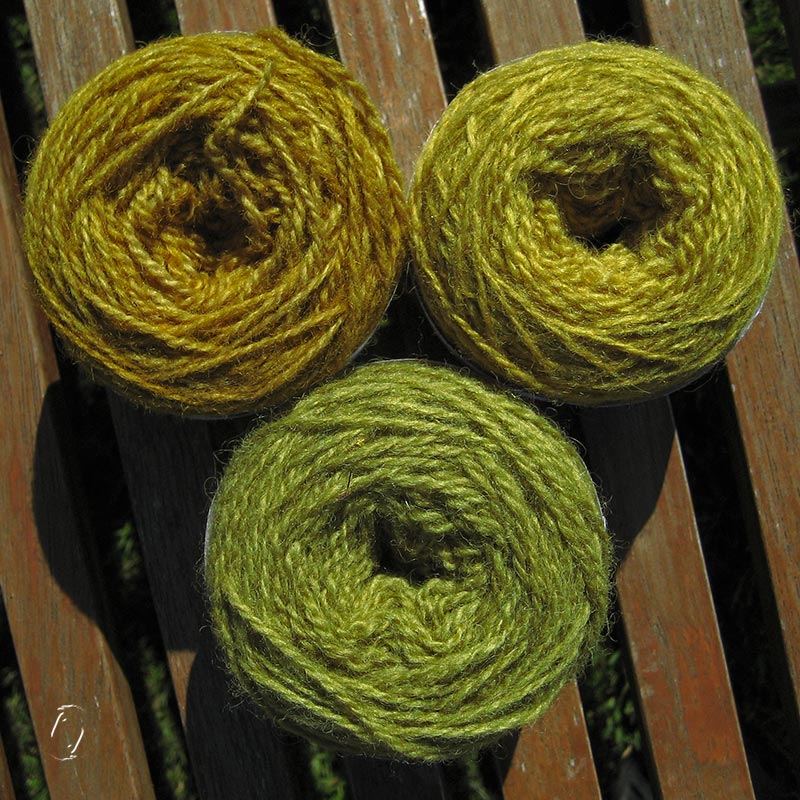
So, how did I achieve the first skein in a bright yellow colour? Young plants? Not using a lot of dyestuff?

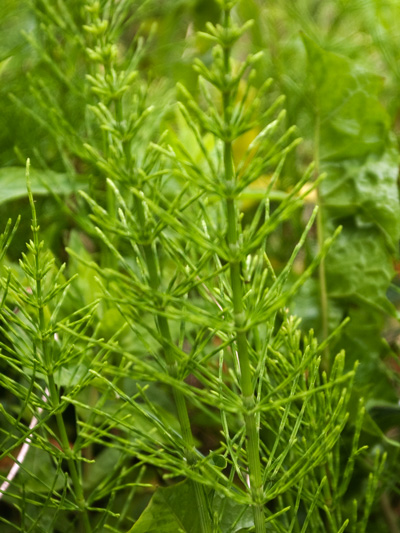
I know they were a bit old this year, but the 2011 was photographed on June 28th and I don’t know if it had been just dyed or if it was a larger photosession (I see other yarns on the same day in my photo folder – no notes). And some old books state that you pick fully developed plants and then dry them before dyeing. Others say fresh and green. That’s usually May/early June here.

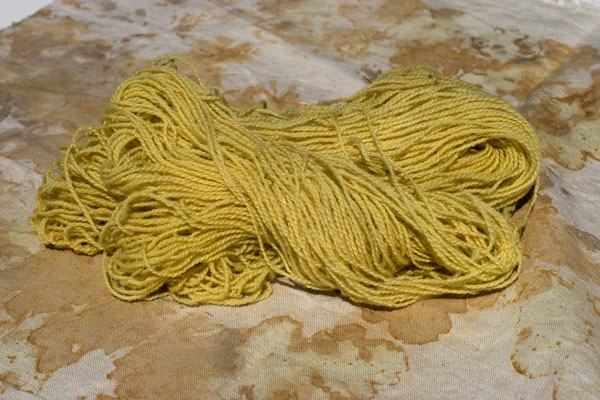
The other difference being, this year I solar dyed the yarn. Very greenish this time (in fact the same but a bit lighter as the Lady’s Mantle), whereas more in the brown direction last year.

Whether I’ll use this plant again or not, depends on the lightfastness test – I’m busy making strips to test for the next 2 months. Since so many plants give yellow, I’m actually more interested in developing the greens, so iron and copper could be interesting. The old books use chrome, but that’s no longer available here.

Incidentally, if you like a good beige, go for the spore thingies in early spring. According to said books.

PÃ¥ dansk

Jeg har testet padderok de sidste 3 år, første år har jeg ingen noter fra, så jeg gætter på at jeg måske har brugt meget friske, unge skud til den lysegule farve. Ulden fra 2012 er brungrumset, og årets garn, som er solfarvet 4 dage med ret gamle planter, er så blevet grønligt; det er faktisk samme farve som garnet med Løvefod, blot en tand lysere.

Jeg er gået i gang med at lave test for lysægthed, den vil bestemme om jeg vil farve med denne plante igen en anden gang.

Tagetes 1

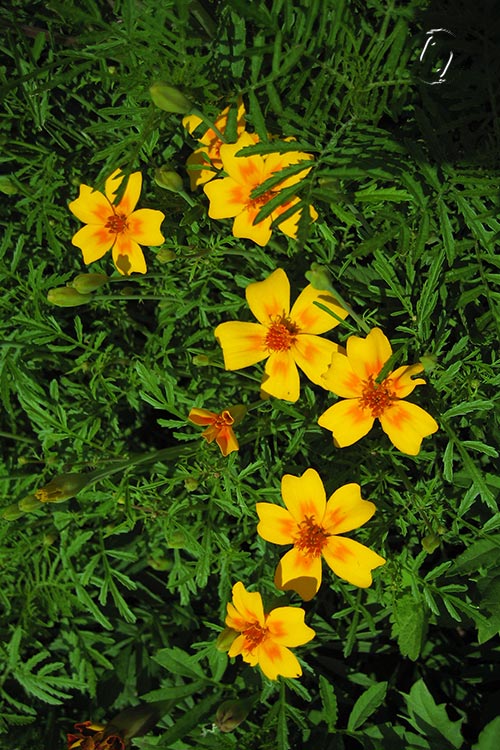
First test dye with this flower, I began with this type, Tagetes tenuifolia “lemon gem”:

ps09

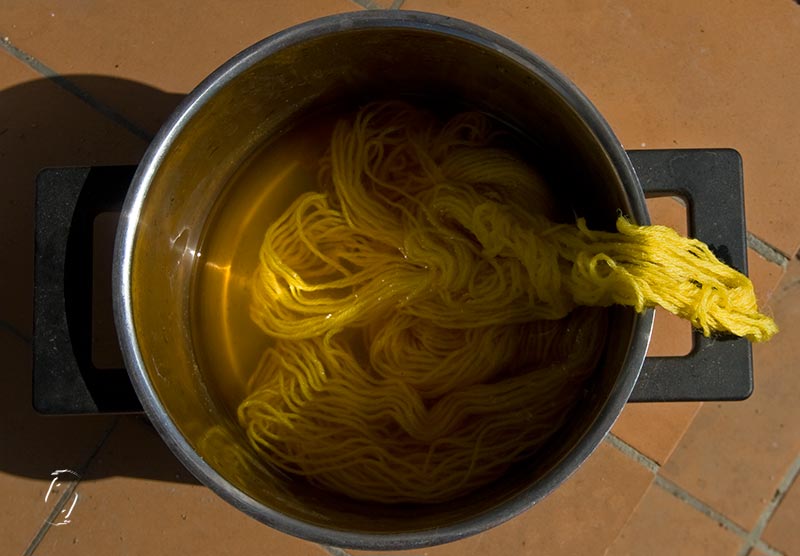
43 g of flowers to 25 g of alum/CoT mordanted yarn.

After 2 minutes in the lukewarm dye pot – do I see solar dyeing potential or what?!

tagetes2

I’m going to try the other variety I have on its own too, same procedure, to see if they are different, or if I can just toss it all in one pot. I’m also going to see if I can dry them and use later.

Tagetes 2

Tagetes 3

tagetes3a

Appelsintagetes

Første forsøg plukker jeg hver slags tagetes for sig og farver et enkelt fed for at se hvordan det ser ud. Flere tests følger! Jeg tror de vil egne sig godt til solfarvning, se blot grydebilledet, hvor garnfeddet har ligget 2 minutter i det lune farvebad!

Jeg har her brugt 43 g blomster og 25 g garn.